
Our story
Good coffee could still be found here.
How two friends, a garage and a five-kilo roaster brought specialty coffee back to an island that had forgotten it.
Hansa Ceylon Coffee was founded in the mid-1990s to bring coffee back to an island that once led the world in coffee exports, then lost the crop to disease and switched to tea. For three decades we have bought high-grown Arabica and Robusta from smallholder forest gardens in the central highlands, dried them in the cherry, sorted them by hand and roasted them in small batches at altitude.
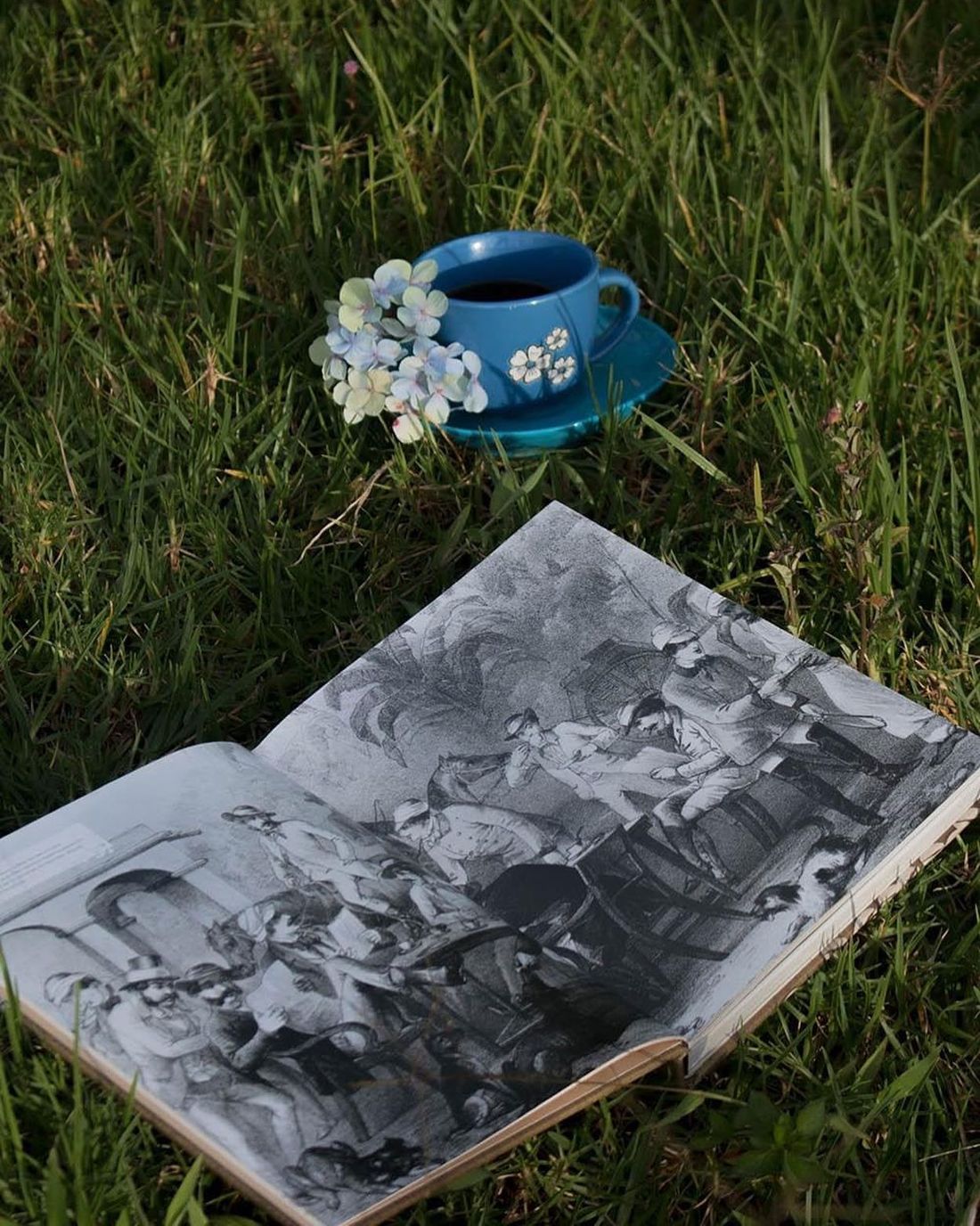
When Ceylon was a coffee island
Arabica probably arrived in Sri Lanka from Yemen, by way of India, in the early 1600s. The Dutch planted it first, and the British turned it into a boom after 1815, moving plantations into the Kandyan highlands. Coffee peaked around 1870 at roughly 273,000 acres, making Ceylon one of the world's top producers (The Way to Coffee). By 1863 the island was supplying close to a third of the coffee Europe imported (Fresh Cup).
The blight
Coffee leaf rust, Hemileia vastatrix, was first recorded on the island in 1867, its first appearance in cultivated coffee anywhere. It spread estate by estate and had wiped out almost all of Ceylon's coffee by the 1880s. Planters replaced it with tea, and coffee was all but forgotten.
A rediscovery in the hills
For about a century, the coffee trees left on the island were treated as little more than shade. In the mid-1990s Harm van Oudenhoven, a Dutchman working on a rural development project in Nuwara Eliya, began studying wild trees in the hills and believed in their quality. He teamed up with Lawrence Goldberg, who had moved from Seattle in 1995 to work with a local NGO.
Together they set out to show that good coffee could still be found on a tea island. They began with a five-kilo roaster in a garage in Nuwara Eliya. The early beans were rough: villagers dried cherries on roads, hulled them by driving cars over them, and stripped whole branches whatever their ripeness. Lawrence spent years hand-sorting beans and training farmers until the coffee reached specialty grade.
From garage to roastery
- Mid-1990s
A five-kilo roaster in a Nuwara Eliya garage, and the first hand-sorted beans.
- 1997
Working directly with smallholder coffee farmers, training them in picking and drying.
- 2013 to 2018
The Hansa café on Fife Road, Colombo's first specialty coffee shop, where many Sri Lankans tasted locally grown specialty coffee for the first time.
- Today
Our own roastery in Ragala supplies hotels, cafés and shops across the island. Newer local roasters credit Hansa as the pioneer of the revival (day9.coffee).
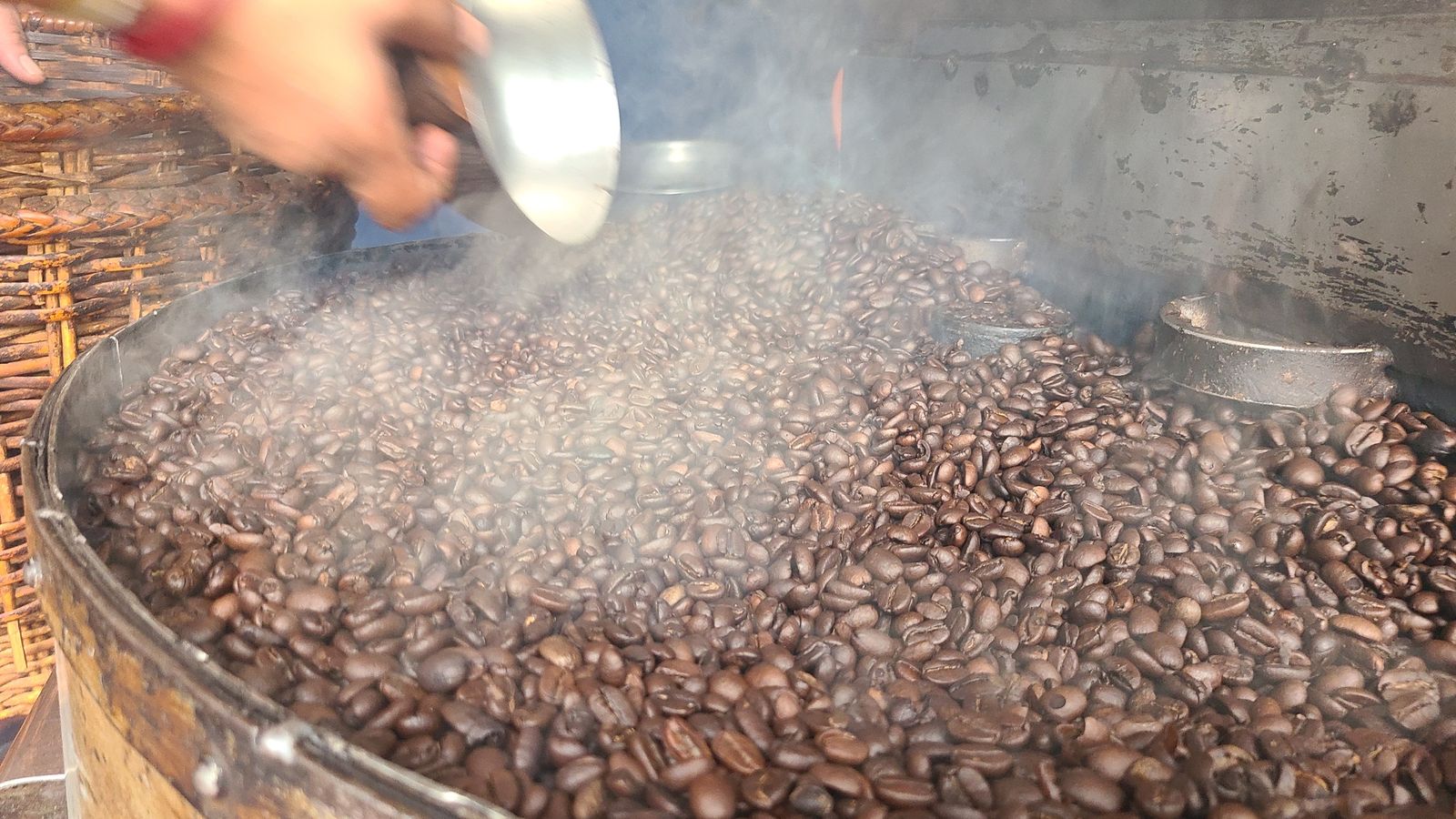
The people
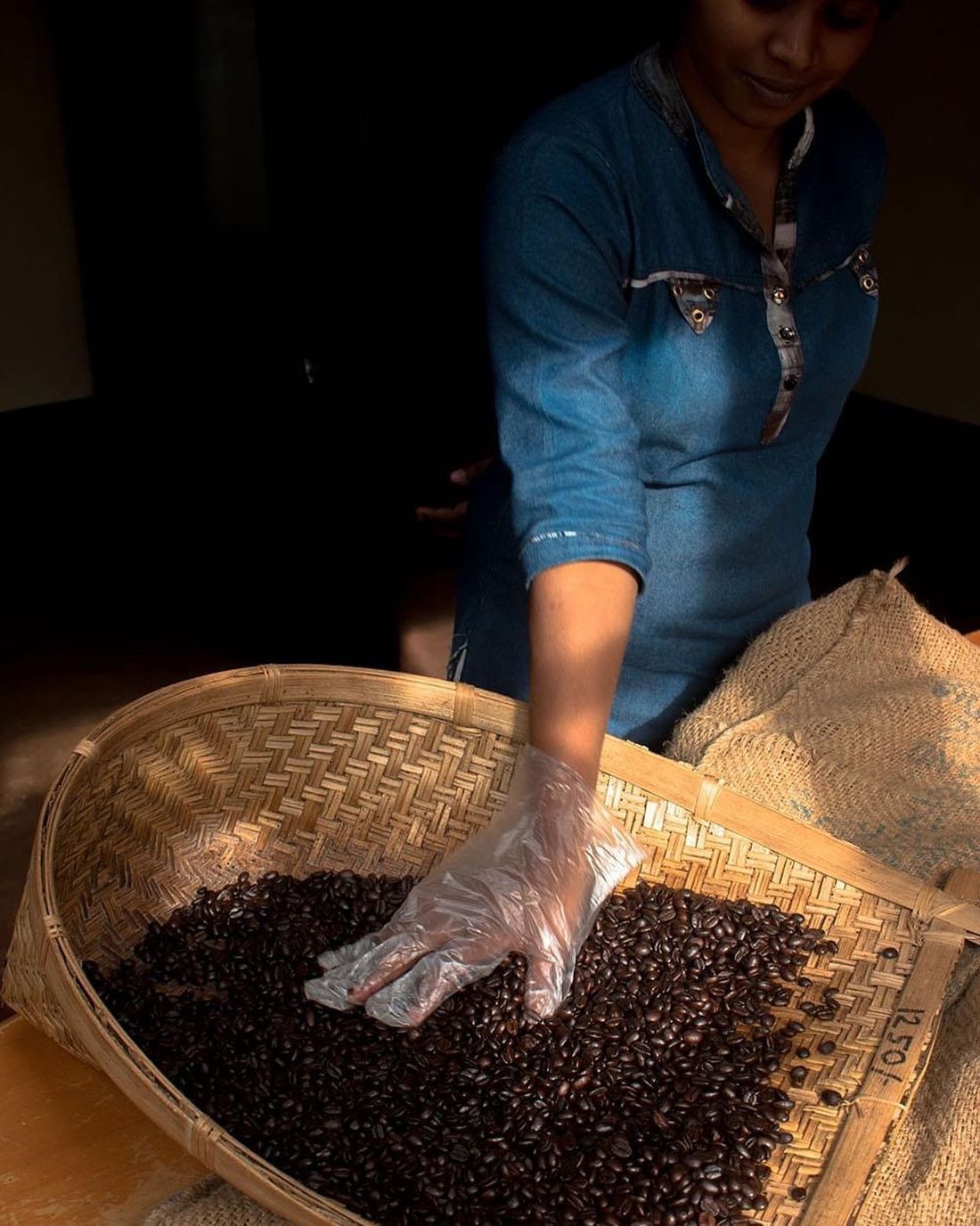
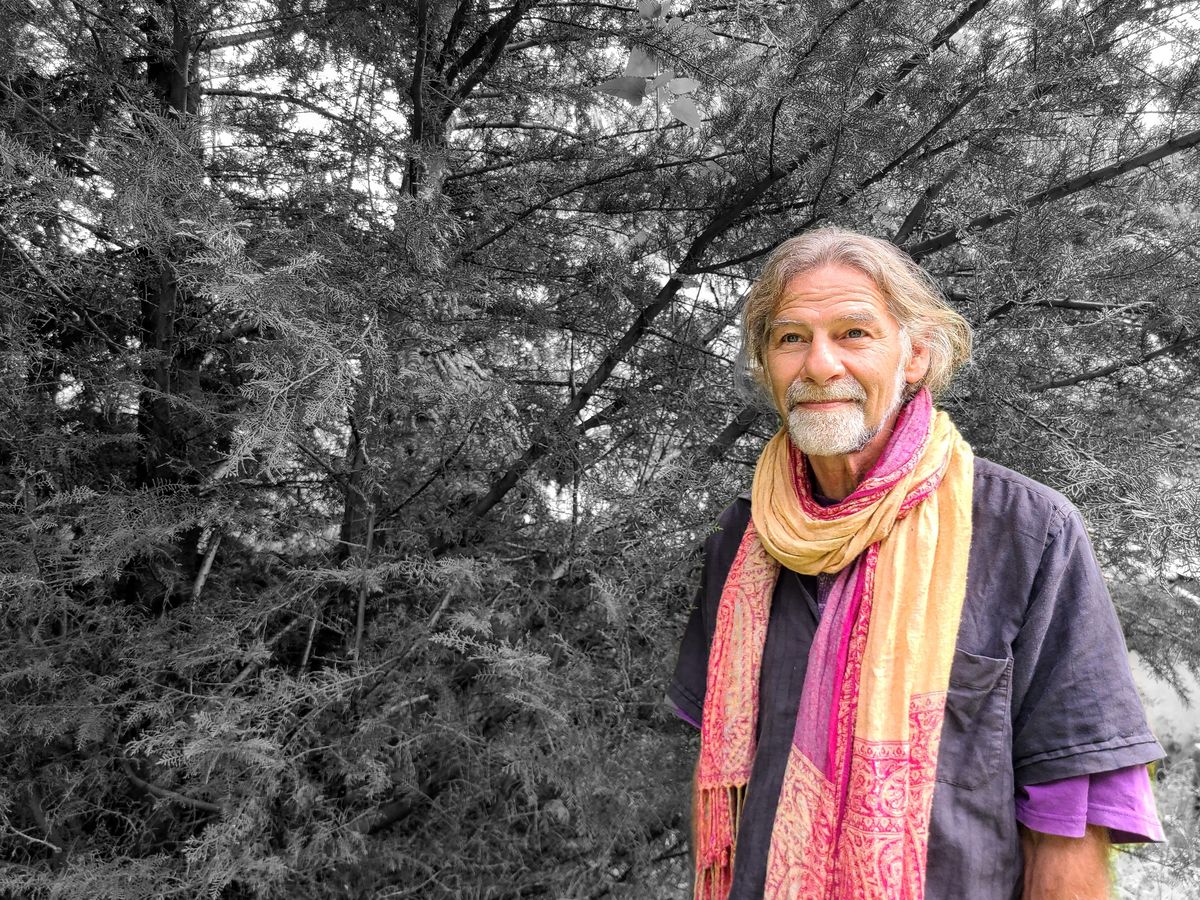
- Lawrence Goldberg, co-founder, director and master roaster. An organic farmer since the late 1970s and a practising herbalist, Lawrence has led Hansa since 1996. He also founded Sunrise Farms.
- Harm van Oudenhoven, co-founder. The Dutch rural development specialist whose curiosity about wild coffee trees started it all.
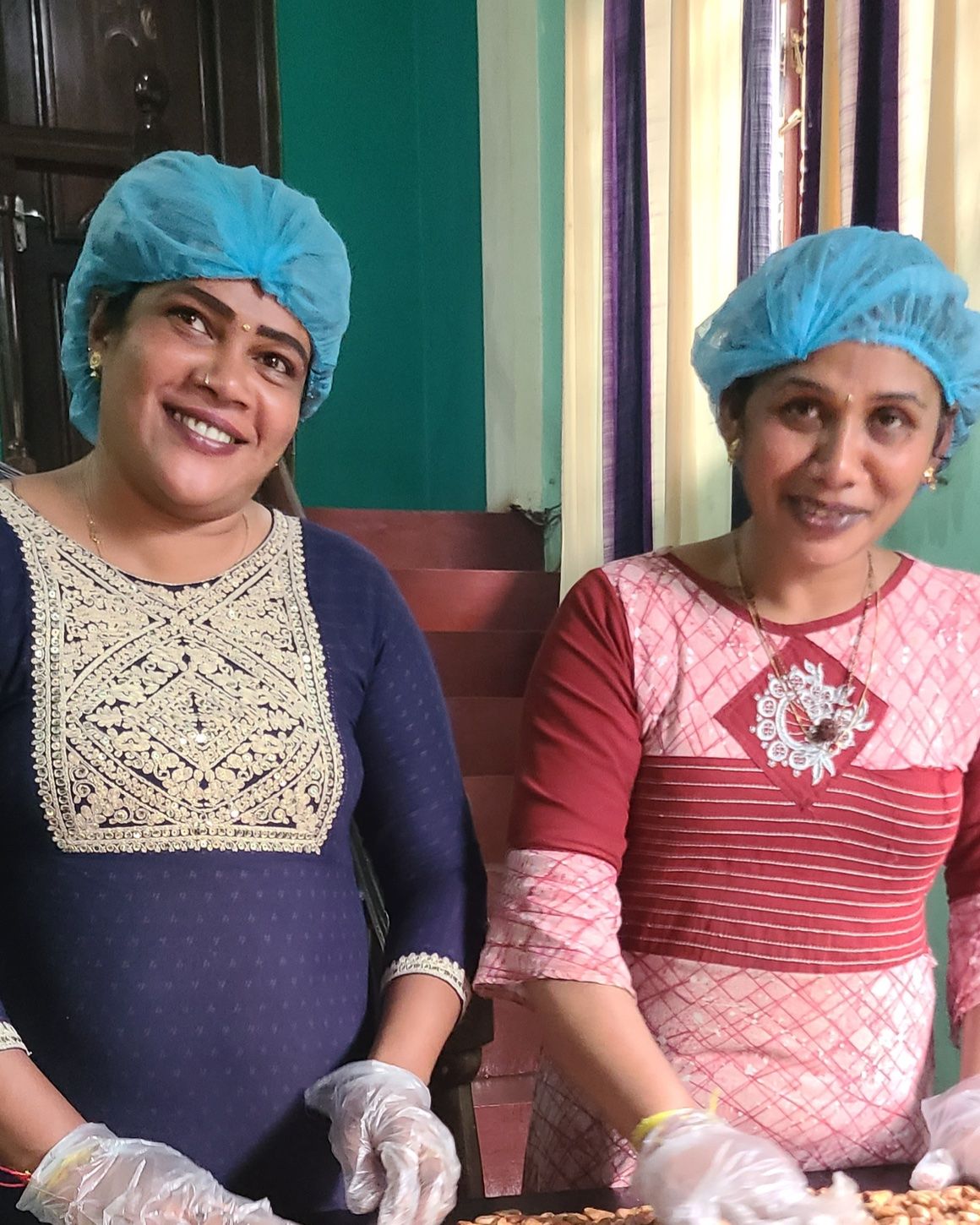
- The roastery team. A small crew in Ragala, including Pushpa and Kumari, many of them women from the surrounding tea-estate communities, who sort, roast, grind and pack every bag by hand.
What we believe
Our founding idea is to use coffee as a way to put trees back on the mountainsides.
- Forests, not rows. Coffee and cacao grown in forest gardens help reforest worn-out tea land, rebuild soil and protect wildlife.
- Fair to farmers. Buying directly gives smallholder families a steadier income, backed by training in organic, mixed farming.
- Made at home. Sourcing, sorting, roasting and packing all happen in Sri Lanka, creating jobs in the hills.
- Quality over quantity. We only use Sri Lankan beans, even when imports would be easier, and accept small volumes to keep the standard high.
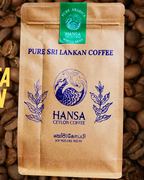 Pure Arabica
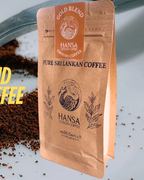 Gold Blend
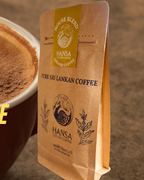 House Blend
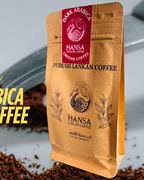 Dark Arabica
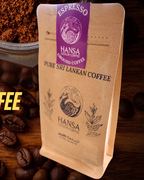 Espresso